Safety First: Best Practices for Asphalt Paving in High-Traffic Areas Dec 23, 2025
As the traffic density in urban areas continues to rise, the importance of efficient and safe asphalt paving practices cannot be overstated. The very first step in ensuring safety is to conduct a comprehensive site assessment. This involves understanding traffic patterns, peak usage times, and potential hazards unique to the location. With this knowledge, you can design a strategy that minimizes disruptions and enhances safety measures.
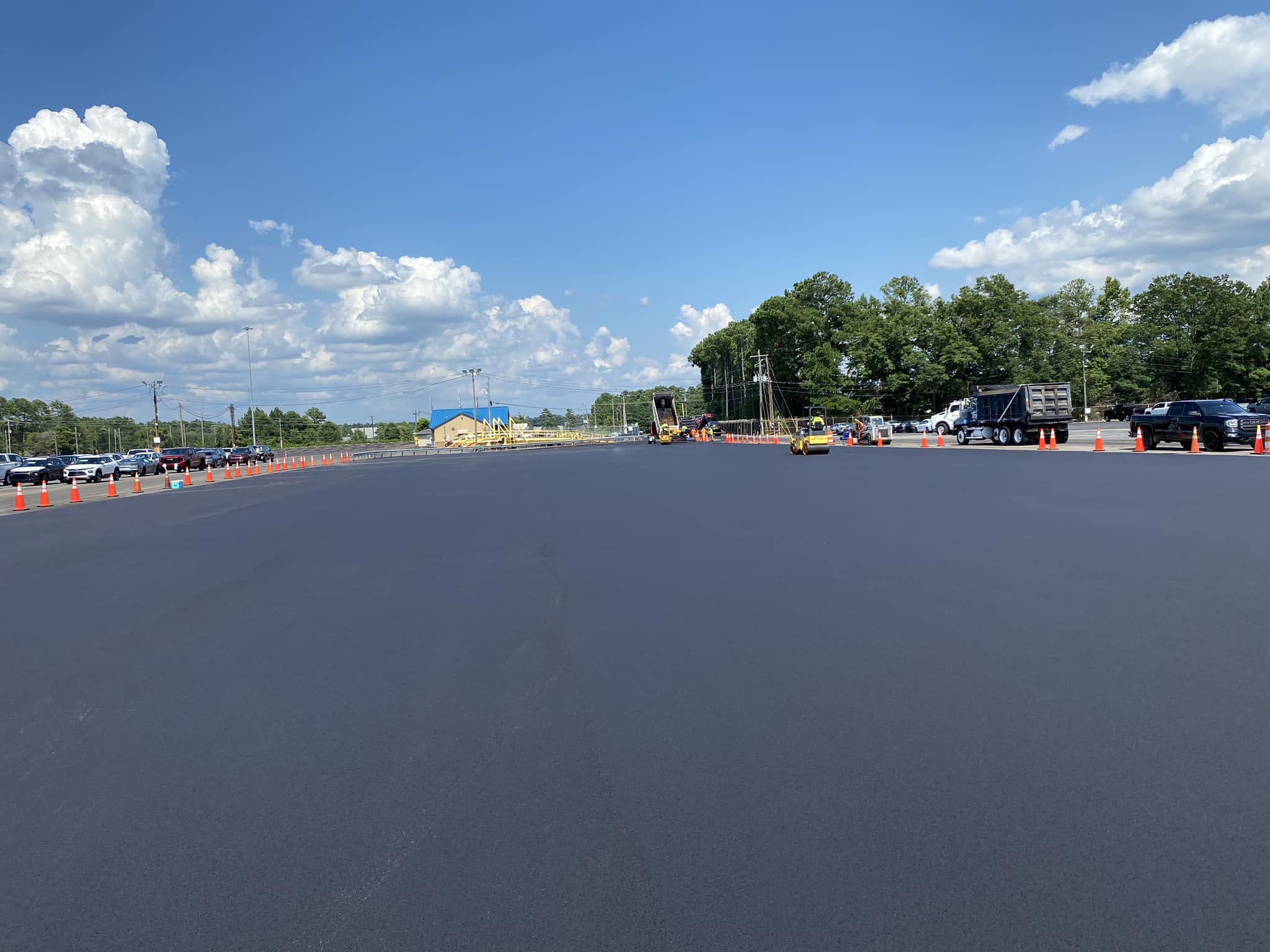
Once the planning is complete, effective communication becomes the cornerstone of a safe paving operation. Clearly marked signage and barriers must be strategically placed to direct vehicles and pedestrians away from work zones. At PavePros, we emphasize the importance of using high-visibility gear for all crew members. This simple yet effective measure ensures that workers are easily spotted, reducing the chance of accidents.
Traffic management is another critical aspect of asphalt paving in high-traffic areas. Coordination with local authorities for traffic rerouting or temporary road closures can greatly enhance safety levels. Our experts at PavePros frequently utilize flaggers, who are trained professionals responsible for directing traffic safely around or through construction zones. These flaggers are crucial for maintaining order and preventing confusion among drivers.
Additionally, using technology can significantly enhance safety in these environments. PavePros leverages modern paving equipment equipped with advanced safety features, including automated stop-and-go systems and proximity sensors. These technologies help to maintain a safe distance between machinery and both the workers and the public.
Proper scheduling is an often-overlooked component of ensuring safety during asphalt paving. Performing as much work as possible during off-peak hours can substantially reduce the impact on traffic, minimize the risk of accidents, and allow for smoother project execution. This might mean night work or early morning shifts, requiring strong managerial oversight to ensure quality control remains uncompromised.
Moreover, regular safety training and drills are crucial. These trainings ensure that all personnel are prepared to handle emergencies efficiently and are well-versed in the latest safety protocols. By instilling a culture of safety and preparedness, PavePros ensures that every member of the team approaches their work with caution and confidence.
Finally, no discussion on safety in high-traffic paving areas is complete without mentioning the role of maintenance. Post-completion inspections are vital to ensure that everything is set to the highest standards. Proper maintenance checks help in identifying and rectifying wear and tear early, thus preventing accidents long after the crew has left the site.
In conclusion, safety is not just an aspect of asphalt paving projects in high-traffic areas—it's the foundation upon which successful projects are built. By employing a holistic approach that encompasses planning, communication, technology, and training, PavePros ensures that every project not only meets but exceeds safety expectations. For those embarking on paving projects in bustling areas, these best practices are essential to navigating the challenges of busy environments while safeguarding all involved.
/filters:no_upscale()/filters:format(webp)/media/4b79beb7-af59-4379-8d8c-4f7fc54208cd.jpg)
/filters:no_upscale()/filters:format(webp)/media/89dc3293-4943-42f3-805c-1496ec84669d.jpeg)